Navigating the Museum
The Edmonds Collections and Research Center manages an extensive archive of over 30,000 objects, utilizing a rotating display strategy to ensure visitors always encounter a mix of fresh content and “old favorites.”
The museum’s offerings are divided into permanent exhibits—which cover foundational local themes like the timber industry, maritime heritage, and Coast Salish history—and temporary major or pop-up exhibits that provide deep dives into specific cultural topics for several months at a time.
To maximize accessibility, the museum integrates educational programming with its physical displays and preserves retired exhibits within a Virtual Museum, allowing the research and stories to remain available to the public long after the physical artifacts have been returned to storage.
New Exhibits
-
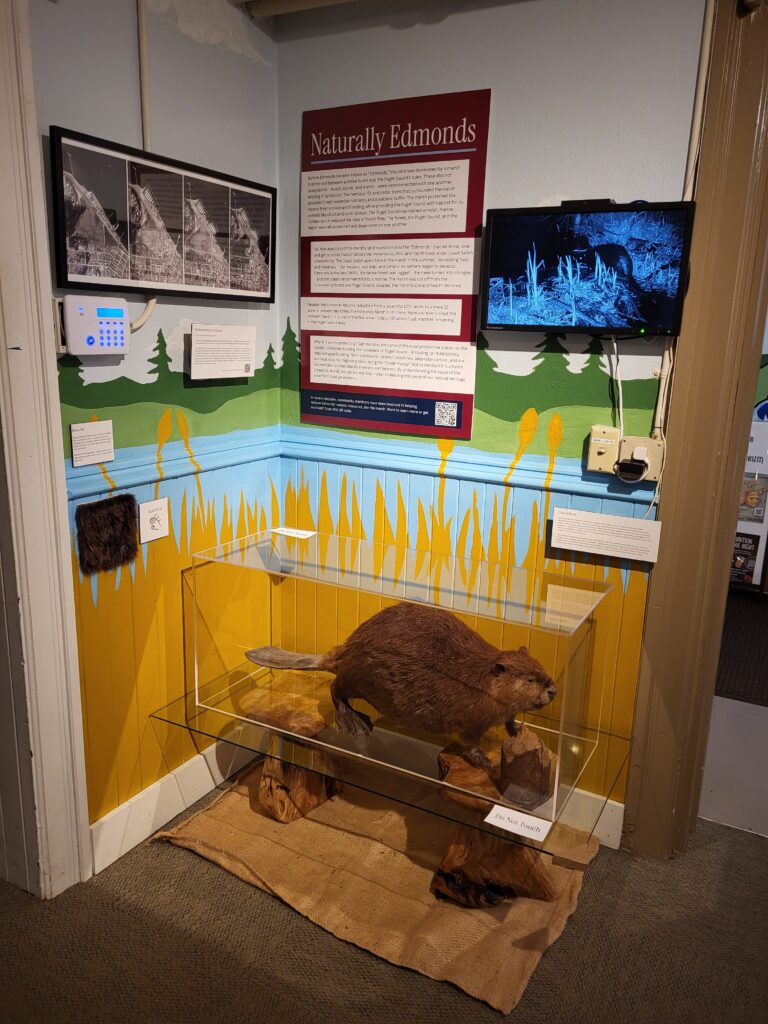
Naturally Edmonds
Come visit the new Naturally Edmonds exhibit, which speaks to the land before Edmonds became known as “Edmonds.” You can even get a look at where Chip, our beaver mascot, …
-
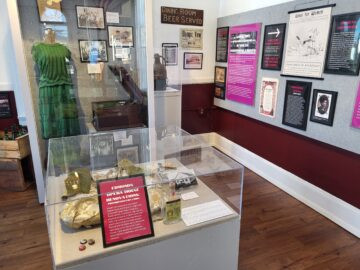
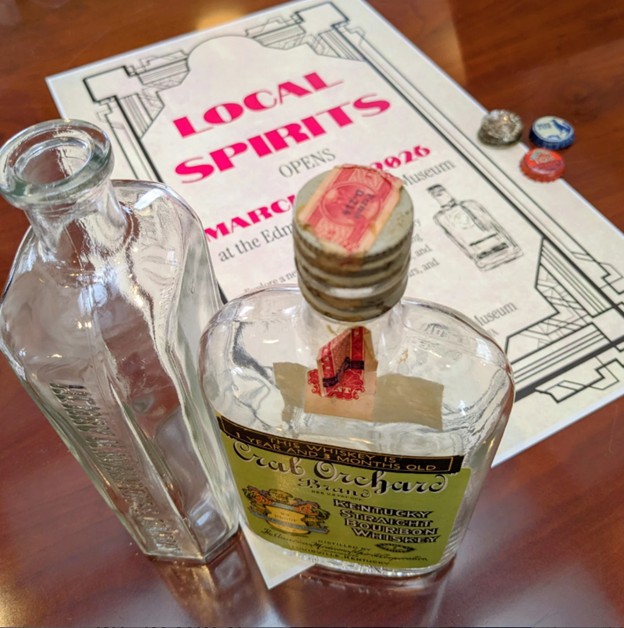
Prohibition in South Snohomish County
Did you know that Washington state went dry four years earlier than the rest of the country? Washington banned the manufacture and sale of alcohol on January 1, 1916. National prohibition began on January 16, 1920 with the ratification of the 18th Amendment.
-
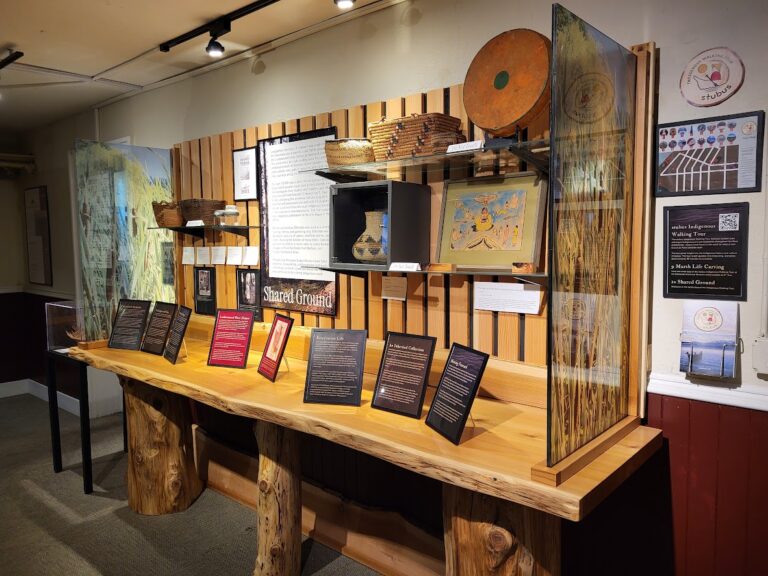
Coast Salish Exhibit
Coast Salish history and culture have rarely been the topic of an exhibit here at the Edmonds Historical Museum – until now! With Shared Ground, the museum explores Coast Salish presence in the land that is now known as Edmonds. This exhibit, while on permanent display, will rotate the types of stories being told.
-
Edmonds Serves
In partnership with the Chamber of Commerce, Waterfront Center, Historical Museum, Rotary Club of Edmonds, and the National Museum and Center for Service, we are launching a citywide initiative: Edmonds Serves.” – Mayor Rosen
-
Fiber Art
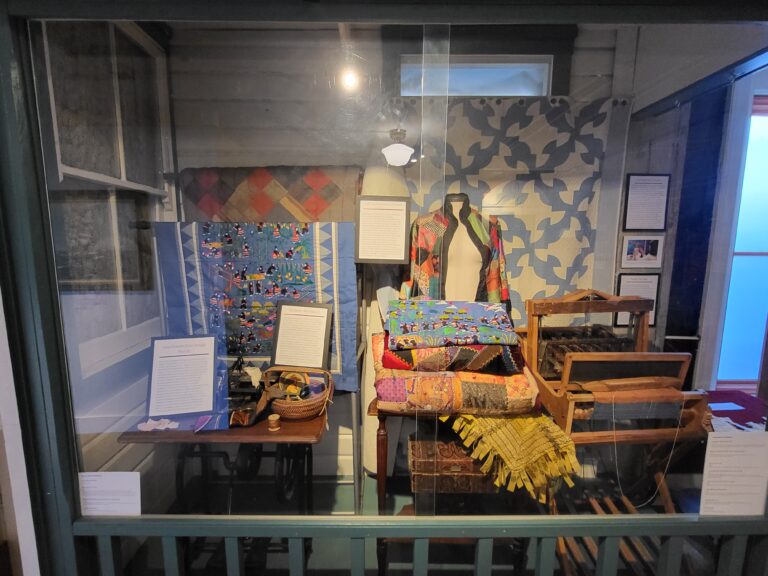
The current exhibition features fiber art, a vibrant medium that tells stories through colorful threads, yarn, and fabric in a multitude of materials. The museum displays a wide range of fiber works, from those made a hundred years ago to those crafted today, reflecting the growth of Edmonds’ sewing culture.
-
Maritime Exhibit
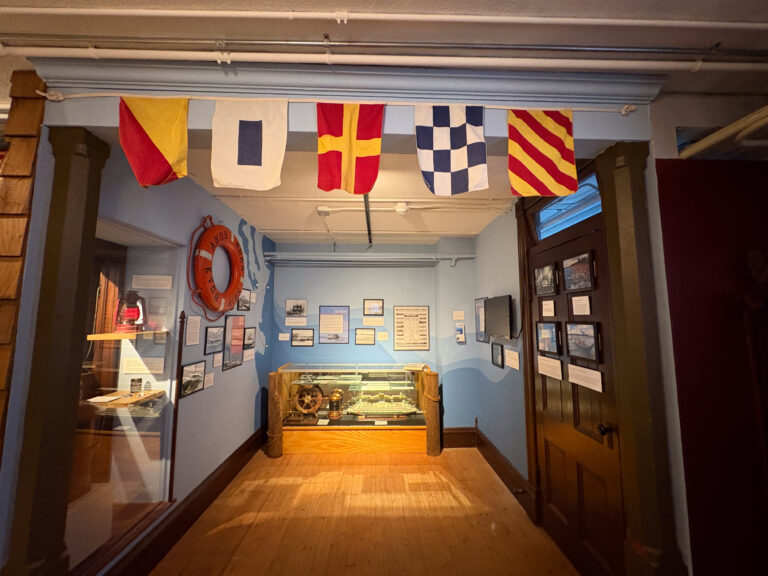
Since time immemorial, water has connected the land that became Edmonds to the larger Puget Sound region. The new Maritime Exhibit at the Edmonds Historical Museum, on permanent display, showcases how maritime life was foundational to Edmonds becoming the town it is today.
Permanent Exhibits
-
Coast Salish Exhibit
Coast Salish history and culture have rarely been the topic of an exhibit here at the Edmonds Historical Museum – until now! With Shared Ground, the museum explores Coast Salish presence in the land that is now known as Edmonds. This exhibit, while on permanent display, will rotate the types of stories being told.
-
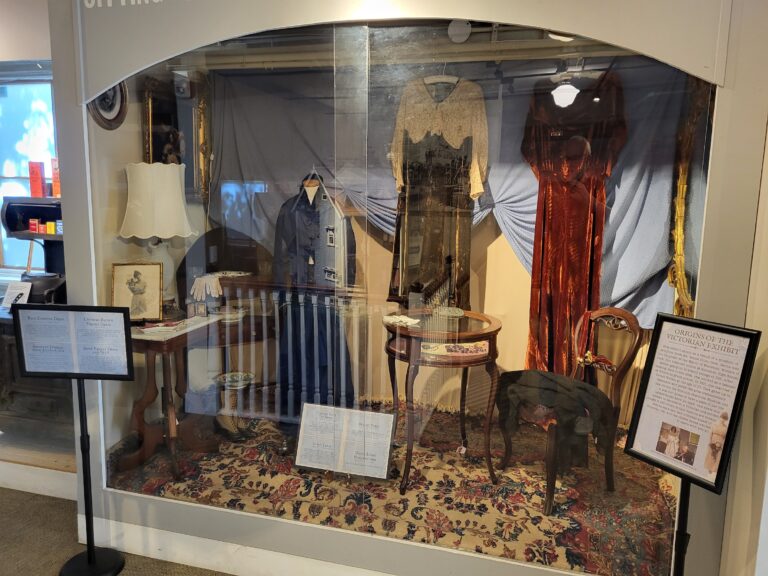
The Victorian Era
Edmonds as we know it today began in the Victorian era (1837-1901), officially becoming a town in 1890 and transitioning from a place primarily occupied by single men in the logging business to a home for families over the next few decades, carrying over past the end of Victorian times and into the 1920s.
-
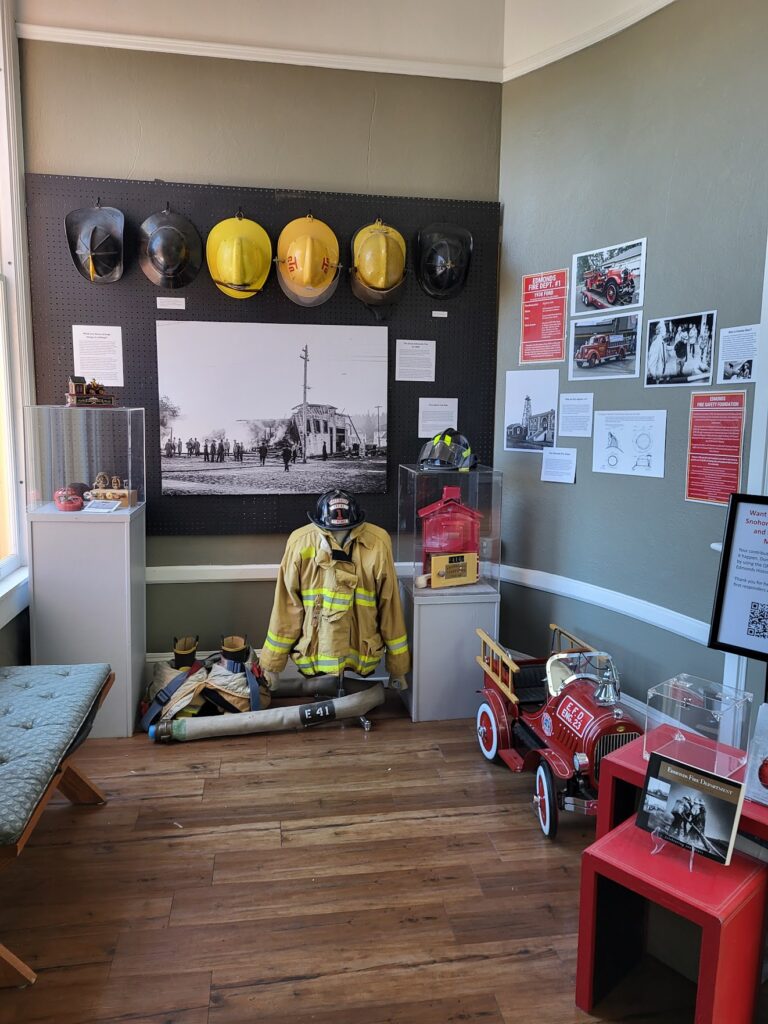
Edmonds Fire Fighting
Before there was the Carnegie Library building that now houses the Edmonds Historical Museum, there was a fire tower!
In the earliest days of Edmonds, there wasn’t a consistent water supply, and so the hydrants and hoses we expect today weren’t reliably available. In 1904, the Edmonds Fire Department was established, and on May 4th of that year, there was a City Council motion to create a committee to buy a nozzle for the fire hose.
-
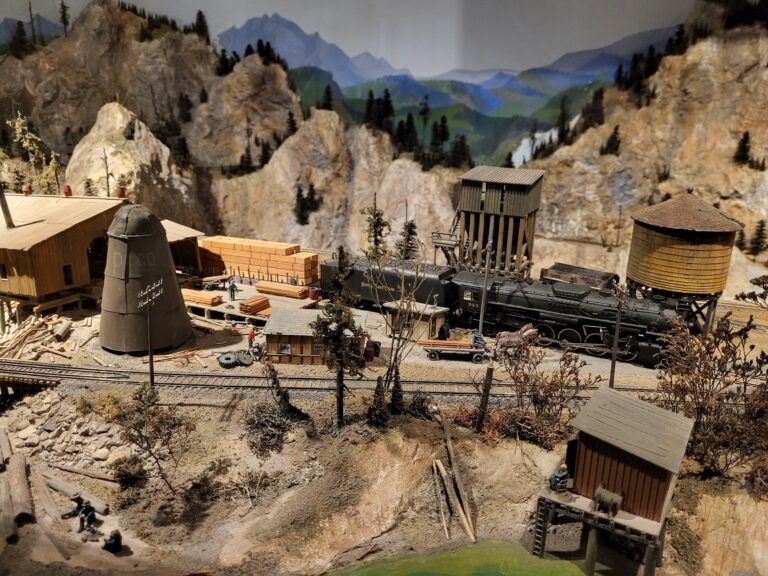
Train Room
Railroads in Edmonds made a huge impact on the local community, even at a miniature scale! To celebrate the history of the railroad in the settlement and industrial growth of Edmonds, as well as the creative work of the city’s local model railroading clubs, the museum has developed its Train Room, now on permanent display on the lower level.
-
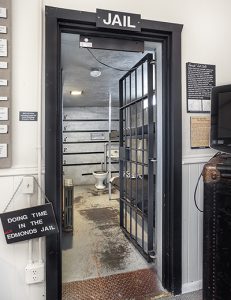
Jail Cell
Step inside an original jail cell on the lower floor of the Edmonds Museum! The cell—complete with two bunks, a sink, toilet, and original graffiti on the walls—was constructed in 1922 when the Edmonds Police Department was located in the Carnegie Library and City Hall building (now the Museum). Come learn about the history and the police department, and do some time in the old Edmonds jail!
-
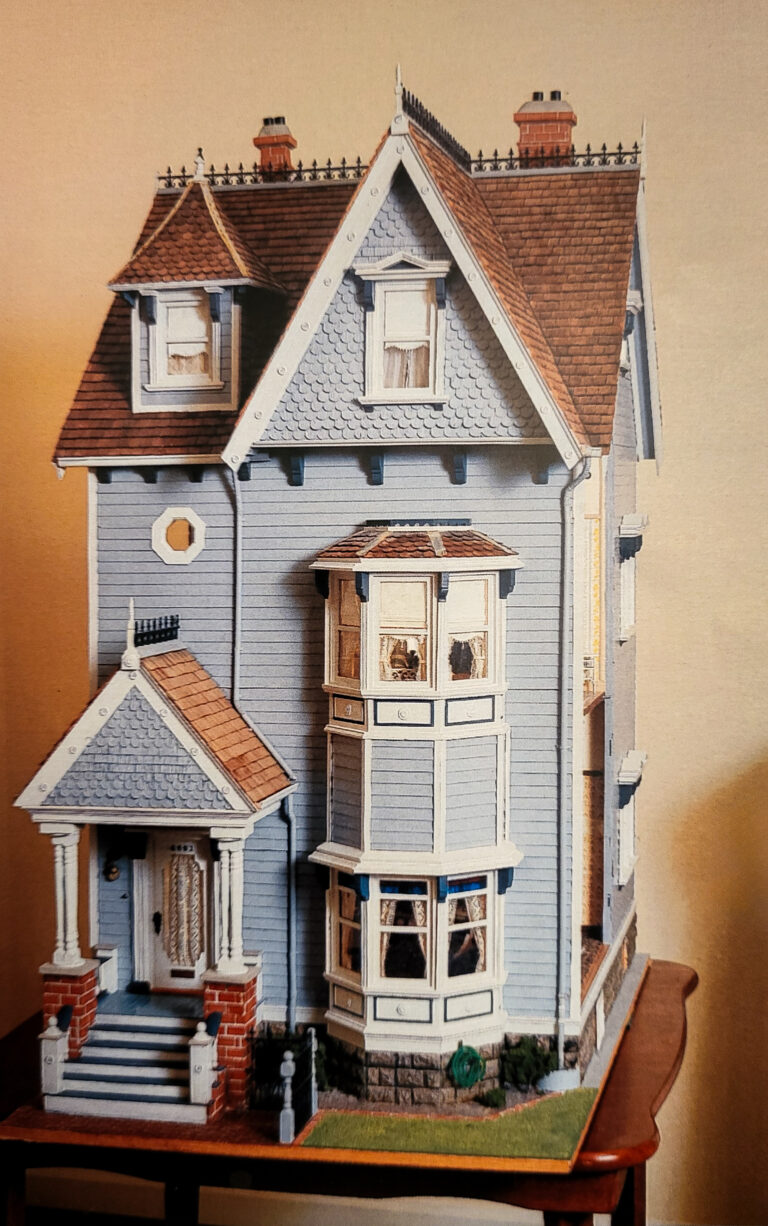
The Victorian Dollhouse
The Victorian dollhouse was donated to the Edmonds Historical Museum by Gloria Osberg in 2013.
Gloria had earned a BFA at the University of Washington and has always had a lifelong interest in art and architecture. The original design was created in 1977 by Ted Huggins, a professor of English at Southern Oregon State College in Ashland, Oregon. He had been on a sabbatical and started designing dollhouses.
-
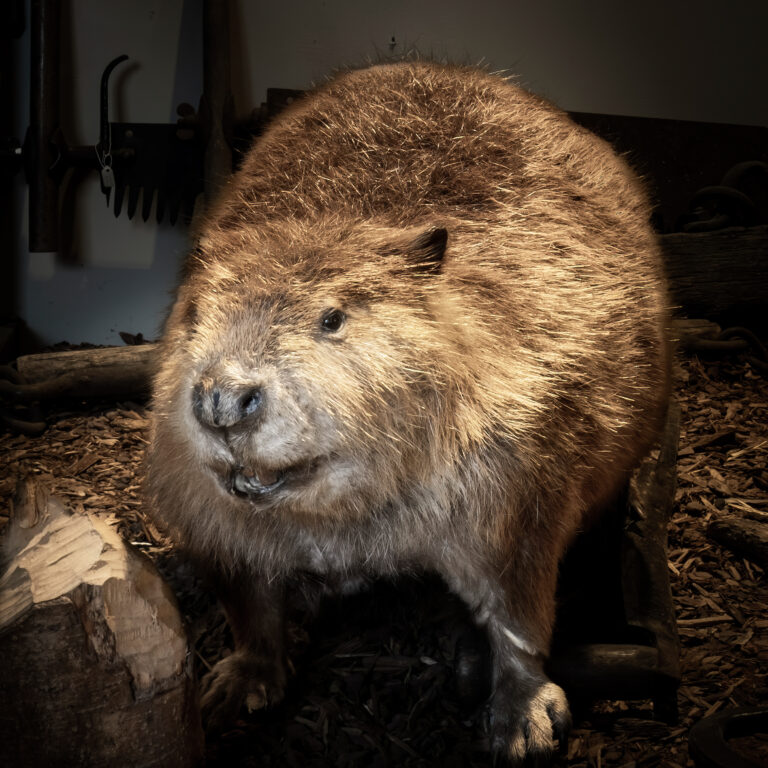
Chip the Beaver
Last year, the kids of Edmonds named our mascot Chip the Beaver. His ancestor (also named Chip) can be found on the lower level of the Museum. You might be lucky to see Chip in the Edmonds Marsh (and thanks to Laura Walls and Marthlyn Jones for the photo).
-
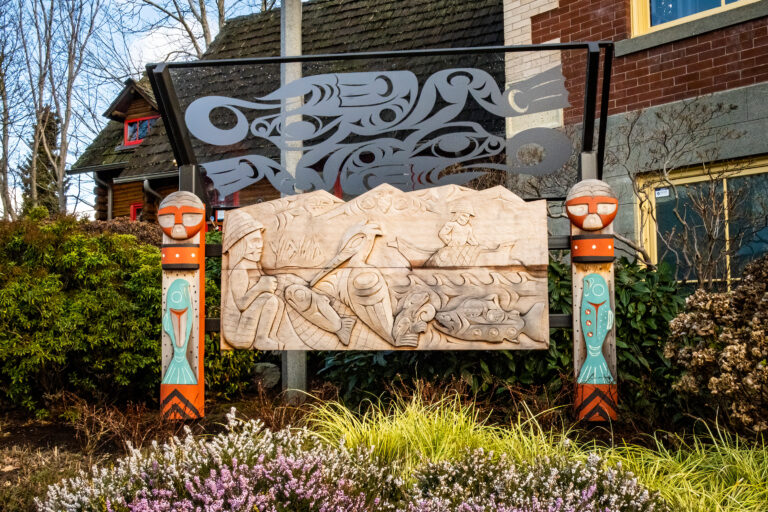
Marsh Life Sculpture
The sculpture “Marsh Life” is a carved mural by Tulalip tribal member and Coast Salish artist Ty Juvinel, whose diverse art practice includes sculpture, murals, carvings, paintings, and digital design. A graduate of The Art Institute of Seattle,
-
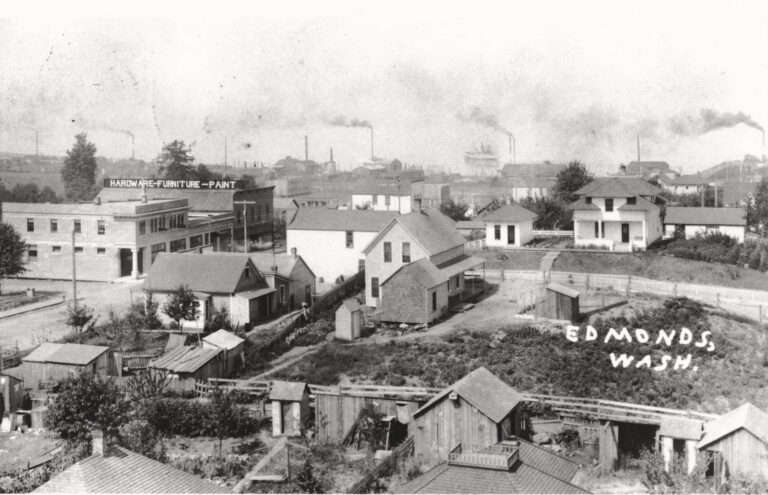
History of Edmonds
The lower floor of the museum is dedicated to the history of Edmonds and the surrounding area. The displays provide an encapsulated, thematic, and chronological history, interpreting the many changes that have taken place in Edmonds from 1890 to today.